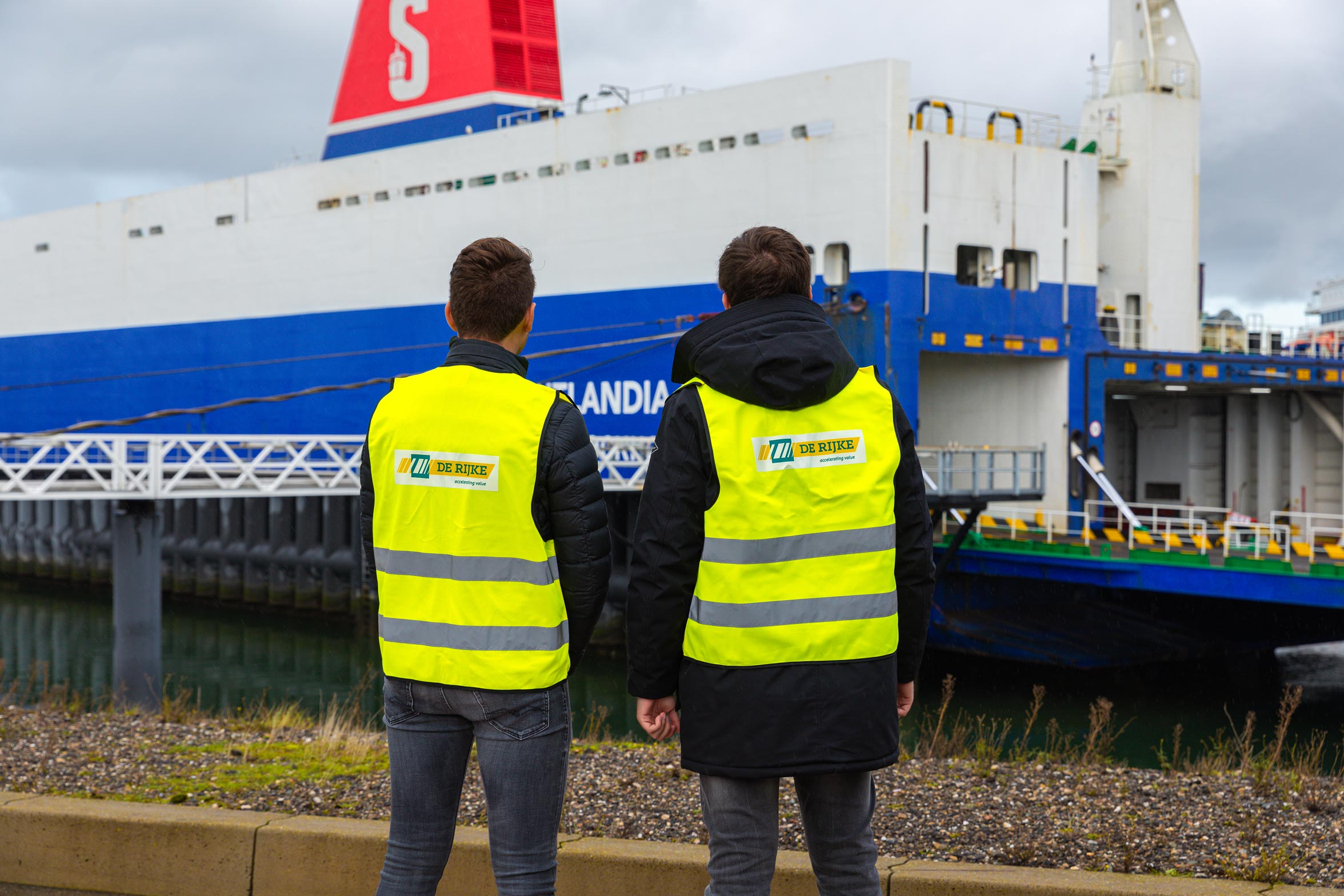
VAT Solutions for Indian Exporters
For Indian exporters using the Netherlands as an entry point into Europe, fiscal representation can support a more efficient import process. It can help align VAT handling with customs formalities and make EU market access easier to manage.
De Rijke supports Indian exporters with customs services, India-to-Europe logistics and Limited Fiscal Representation in the Netherlands. De Rijke states that for importing companies without a Dutch VAT number, it can act as a Limited Fiscal Representative, helping non-EU based companies serve European customers without being established in the EU.



What is a fiscal representative?
A fiscal representative is a party in the Netherlands that acts on behalf of a foreign business for VAT-related obligations. In practical terms, that means a fiscal representative can help a foreign importer organise VAT handling linked to imports and onward supply. Dutch Tax Administration guidance states that customs forwarding agents often also act as tax representatives, and that a tax representative may handle VAT returns, intra-Community transaction declarations and the reverse-charge mechanism on import.
For Indian exporters, the value is not just tax administration on paper. It is the ability to connect VAT handling to the wider import and customs process.
Quotation
What is a fiscal representative for VAT?
If you are asking what a fiscal representative for VAT does, the short answer is this: a VAT fiscal representative helps foreign businesses manage Dutch VAT obligations in a way that supports compliant imports.
This becomes particularly relevant when goods are imported into the Netherlands from outside the EU. The Dutch Article 23 reverse-charge mechanism on import allows VAT to be declared via the VAT return instead of being paid immediately at import, provided the right setup is in place. The Dutch Tax Administration states that if you want to apply this mechanism on import, you must engage a tax representative.
That can create a significant cash-flow advantage for importers using the Netherlands as their EU gateway.
Why fiscal representation matters for Indian exporters
For Indian exporters, the Netherlands is often a practical entry point into Europe. But if import VAT has to be paid immediately at customs clearance, that can increase the financial burden of entering the EU market. Fiscal representation helps businesses organise this more efficiently.
It can support:
- better cash flow
- a smoother customs and VAT setup
- easier handling of Dutch VAT obligations
- more practical access to European customers
- a stronger connection between import formalities and onward EU distribution
This is why fiscal representation should not be seen as a stand-alone tax issue. For many businesses, it is part of a broader import and logistics strategy.
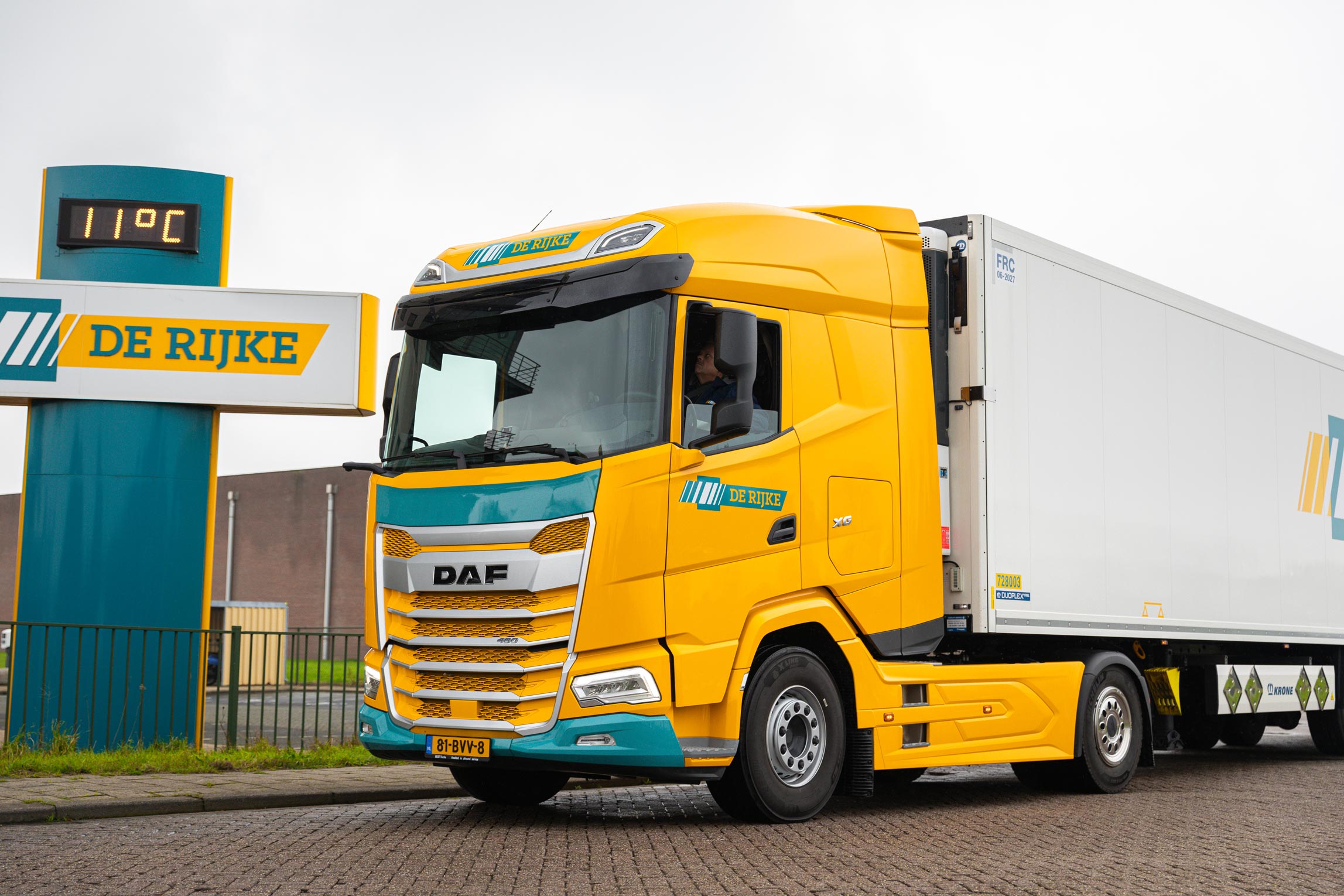
Fiscal representative Netherlands: when is it relevant?
A fiscal representative in the Netherlands is especially relevant for foreign companies that import goods into the EU through the Netherlands and do not have their own Dutch VAT setup.
For Indian exporters, this can be relevant where the business:
- imports from India into the Netherlands
- supplies customers elsewhere in Europe
- does not have a Dutch VAT number
- wants to avoid unnecessary pre-financing of import VAT
- needs customs and VAT processes to work together
De Rijke can act as Limited Fiscal Representative for importing companies that do not have a Dutch VAT number. This allows non-EU based companies to serve European customers without being established in the EU.
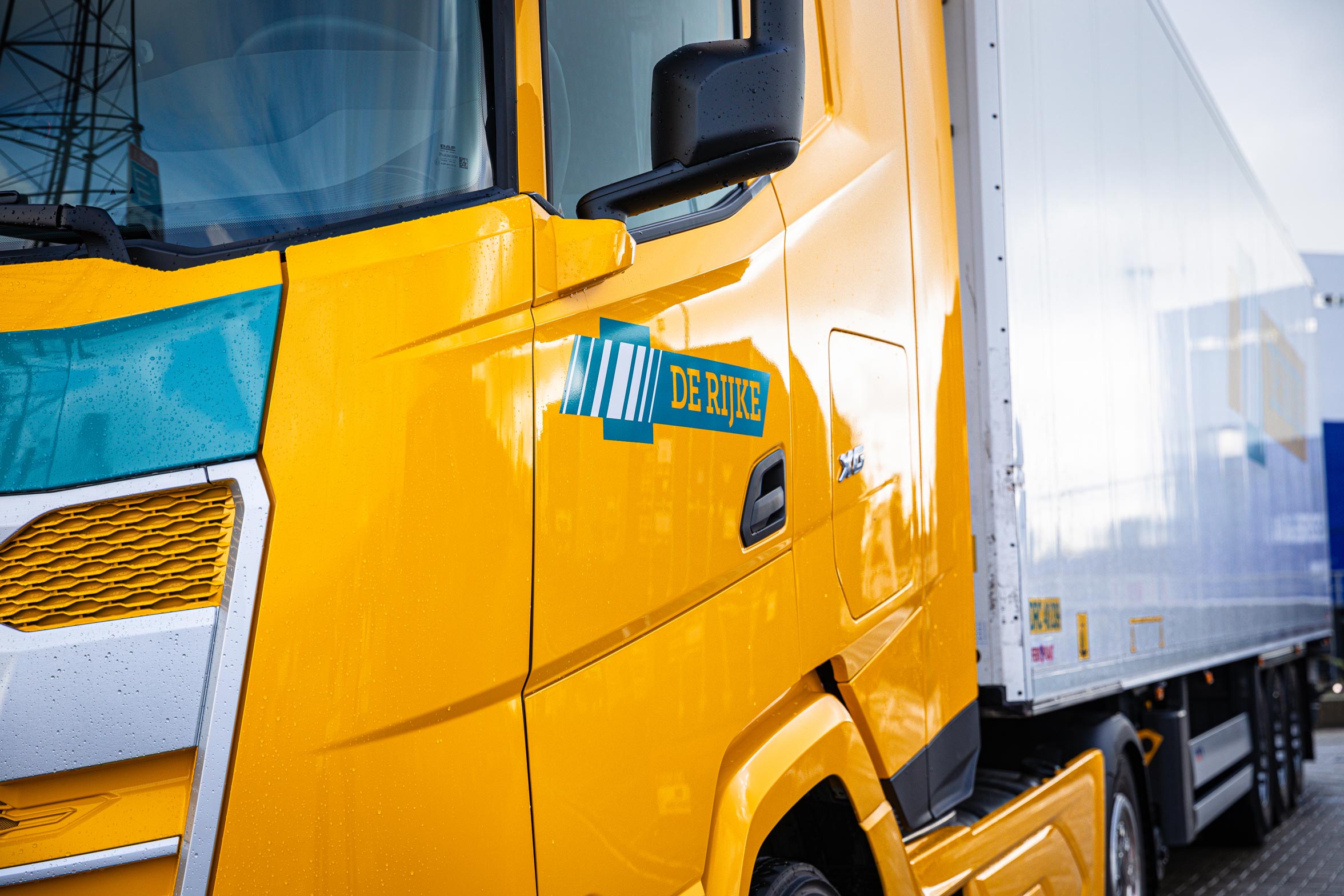
General fiscal representative and limited fiscal representation
There are different forms of fiscal representation in the Netherlands. One of these is the general fiscal representative. Dutch Tax Administration guidance notes that a tax representative with a general licence can apply for an Article 23 permit for a client.
De Rijke publicly positions its service as Limited Fiscal Representation. That is important, because the right structure depends on the type of business, the import model and the VAT position involved. For most importers, the key point is practical: the fiscal representation model should fit the actual flow of goods, customs handling and onward supply into Europe.
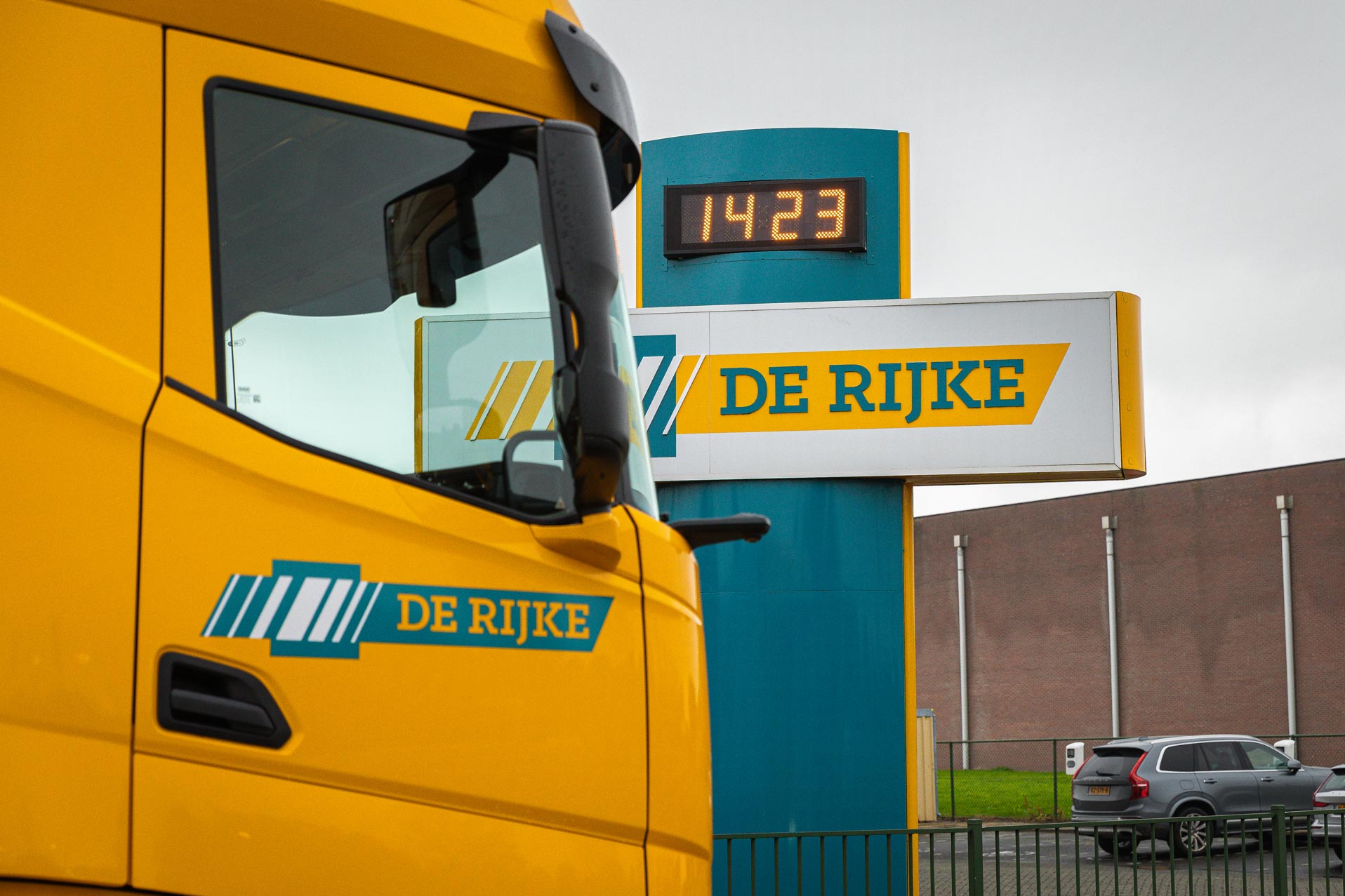
How fiscal representation supports India-to-Europe trade
On the India-to-Europe corridor, businesses already have to coordinate transport, customs documentation and delivery planning across long distances. When VAT handling is added on top, the process becomes more complex. Fiscal representation helps simplify that setup by making sure VAT obligations are addressed in line with the import process.
That matters because goods, customs formalities and VAT treatment all influence one another. A fragmented setup creates extra handovers and a greater risk of delay or rework. A coordinated one supports smoother EU entry. De Rijke combines fiscal representation with customs handling and India-to-Europe freight forwarding services. That makes the service more practical for exporters who need an integrated route into Europe rather than separate providers for each part of the chain.
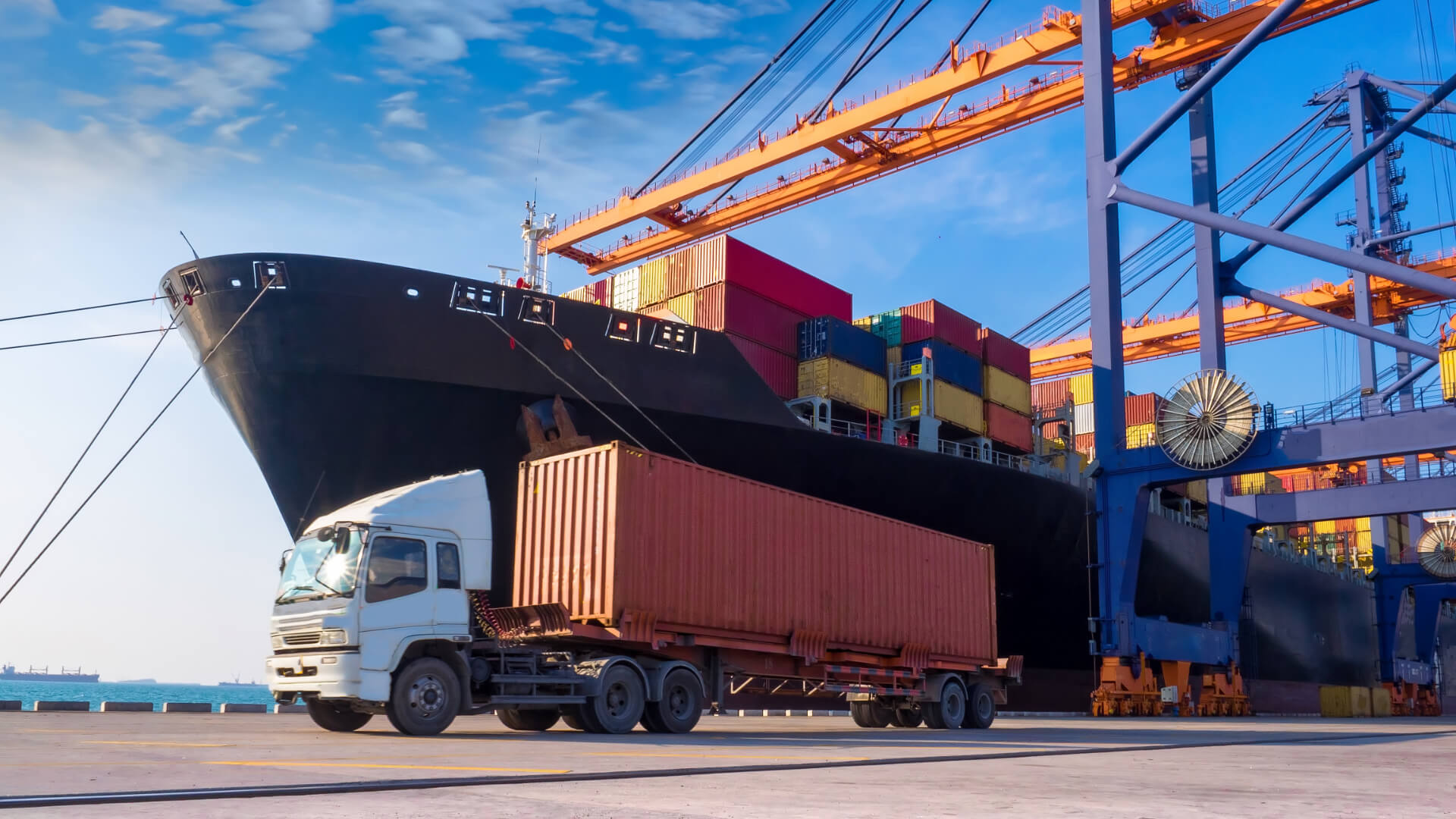
Why businesses choose De Rijke
De Rijke’s strength is that fiscal representation is not offered in isolation. It is linked to in-house customs handling in the Benelux and wider logistics support. De Rijke states that its customs departments handle import, export, transit, excise goods and origin documentation in-house. For Indian exporters, that creates a more workable setup. Instead of treating VAT, customs and logistics as separate issues, De Rijke helps bring them together in one coordinated process.
That can mean:
- fewer handovers
- better operational visibility
- smoother EU import flows
- a more practical setup for serving European customers
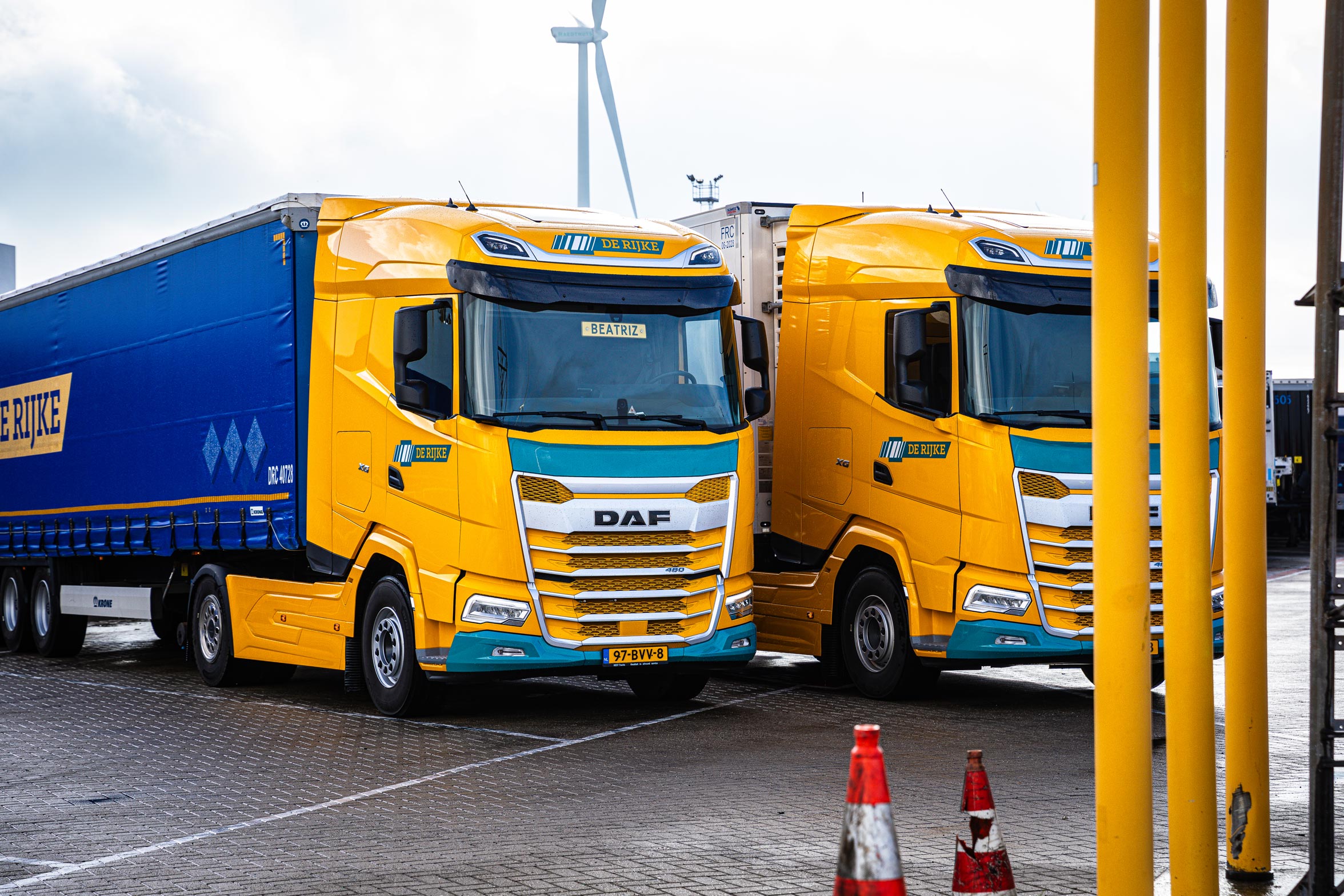
Need a fiscal representative in the Netherlands?
If your business exports from India to Europe and uses the Netherlands as an import gateway, fiscal representation may help you organise import VAT more efficiently.
De Rijke supports Indian exporters with Limited Fiscal Representation, customs formalities and India-to-Europe logistics services. That helps businesses create a more reliable route into the EU market.
Get in touch!

Ready to expand into Europe via Rotterdam?
Connect with our local team today. We’ll help you build a warehousing and distribution strategy tailored to your products, sector and growth plans. Contact us via derijke.com/contact or email info@derijke.com. Your European logistics partner starts here.

Frequently asked questions about CBAM
A fiscal representative is a party in the Netherlands that acts on behalf of a foreign business for VAT-related obligations. A tax representative may handle VAT returns, intra-Community transaction declarations and import VAT arrangements.
A fiscal representative for VAT helps a foreign company manage Dutch VAT obligations connected to imports and onward supply. This is especially relevant when goods are imported into the Netherlands from outside the EU.
It can help Indian exporters organise import VAT more efficiently when using the Netherlands as an EU entry point. That may improve cash flow and make it easier to serve European customers.
Yes. Under the Dutch Article 23 mechanism, import VAT can be declared through the VAT return instead of being paid immediately at import, provided the right structure is in place. The Dutch Tax Administration states that a tax representative is required if you want to apply this mechanism on import.
A general fiscal representative works under a broader tax representation licence. De Rijke publicly offers Limited Fiscal Representation for importing companies without a Dutch VAT number as part of its customs services.
Yes. De Rijke states that it can act as Limited Fiscal Representative for importing companies that do not have a Dutch VAT number.
No. The Dutch Tax Administration states that the foreign entrepreneur remains responsible for complying with tax obligations, even when a tax representative is engaged.
No. In practice, it is closely connected to customs and the wider import process. That is why many businesses prefer a setup where VAT handling, customs formalities and logistics support work together.
