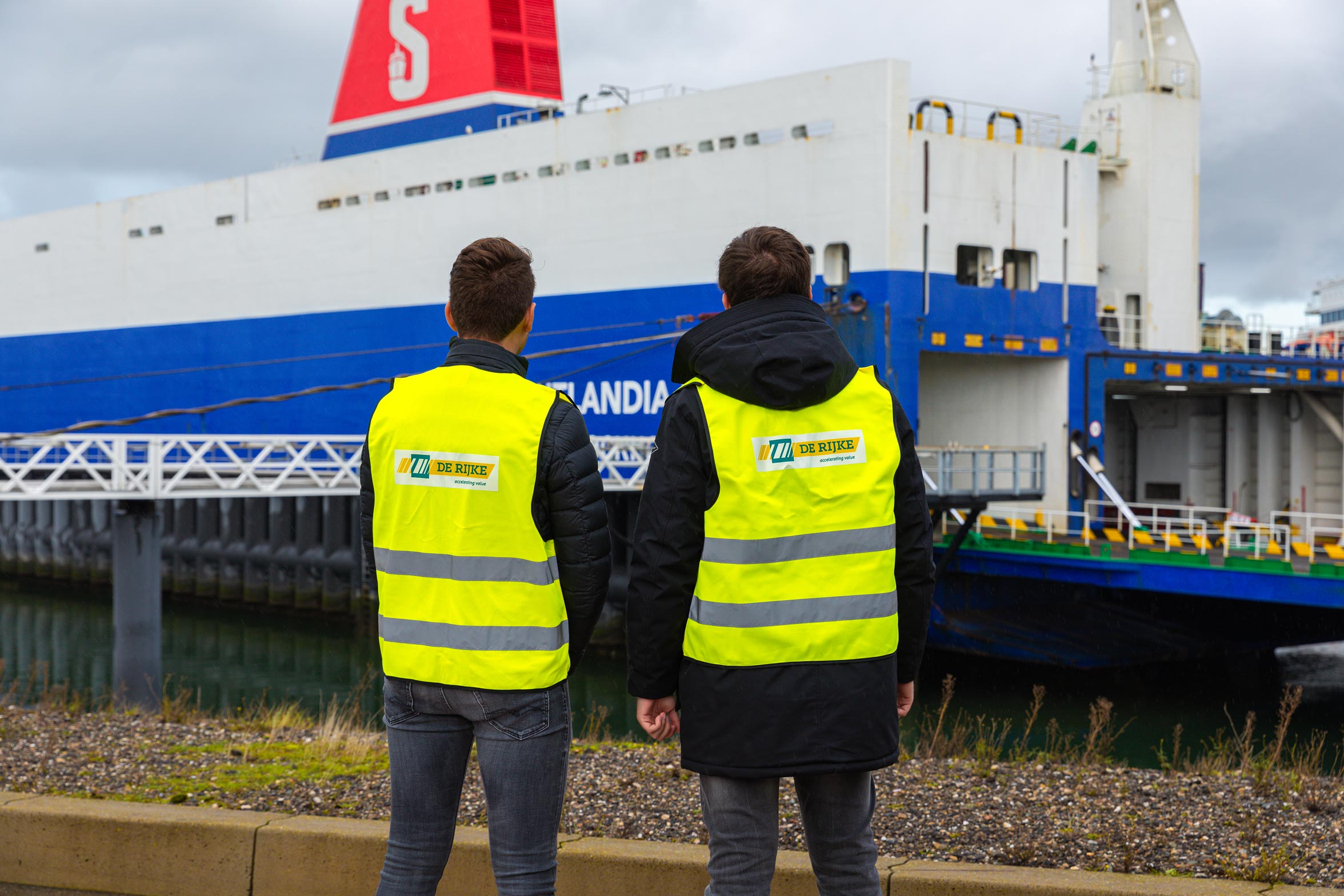
Streamlining Your EU Import Process
De Rijke supports companies importing goods into the EU via the Netherlands. With in-house customs departments in the Benelux, experienced declarants and AEO-certified customs processes, we help businesses keep their import flows compliant, efficient and under control.

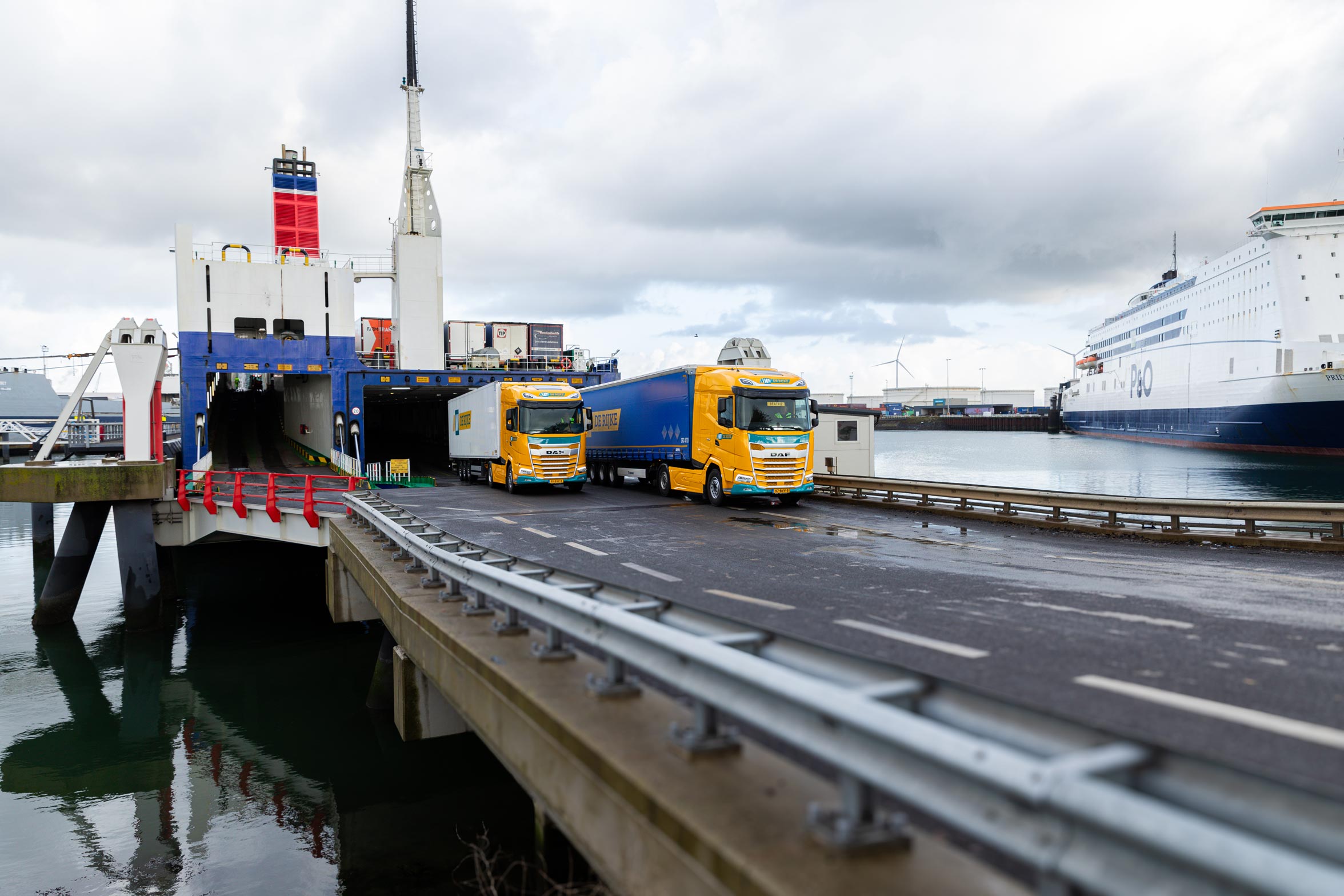


What customs clearance in the Netherlands involves
When goods are imported from outside the EU into the Netherlands, they must be declared to Dutch Customs. Based on that declaration, Customs determines which duties, VAT and other rules may apply. Businesses also need to take into account product-specific requirements, such as licences, certificates or other supporting documents where relevant.
In practice, customs clearance in the Netherlands usually involves:
- checking the product and customs classification
- preparing the correct import declaration
- submitting the declaration digitally
- making sure supporting documents are available
- handling duties, VAT and any additional requirements
- coordinating release so goods can continue through the supply chain
For many businesses, the challenge is not the idea of customs clearance itself. It is making sure the declaration, the documentation and the logistics process all work together.
Quotation
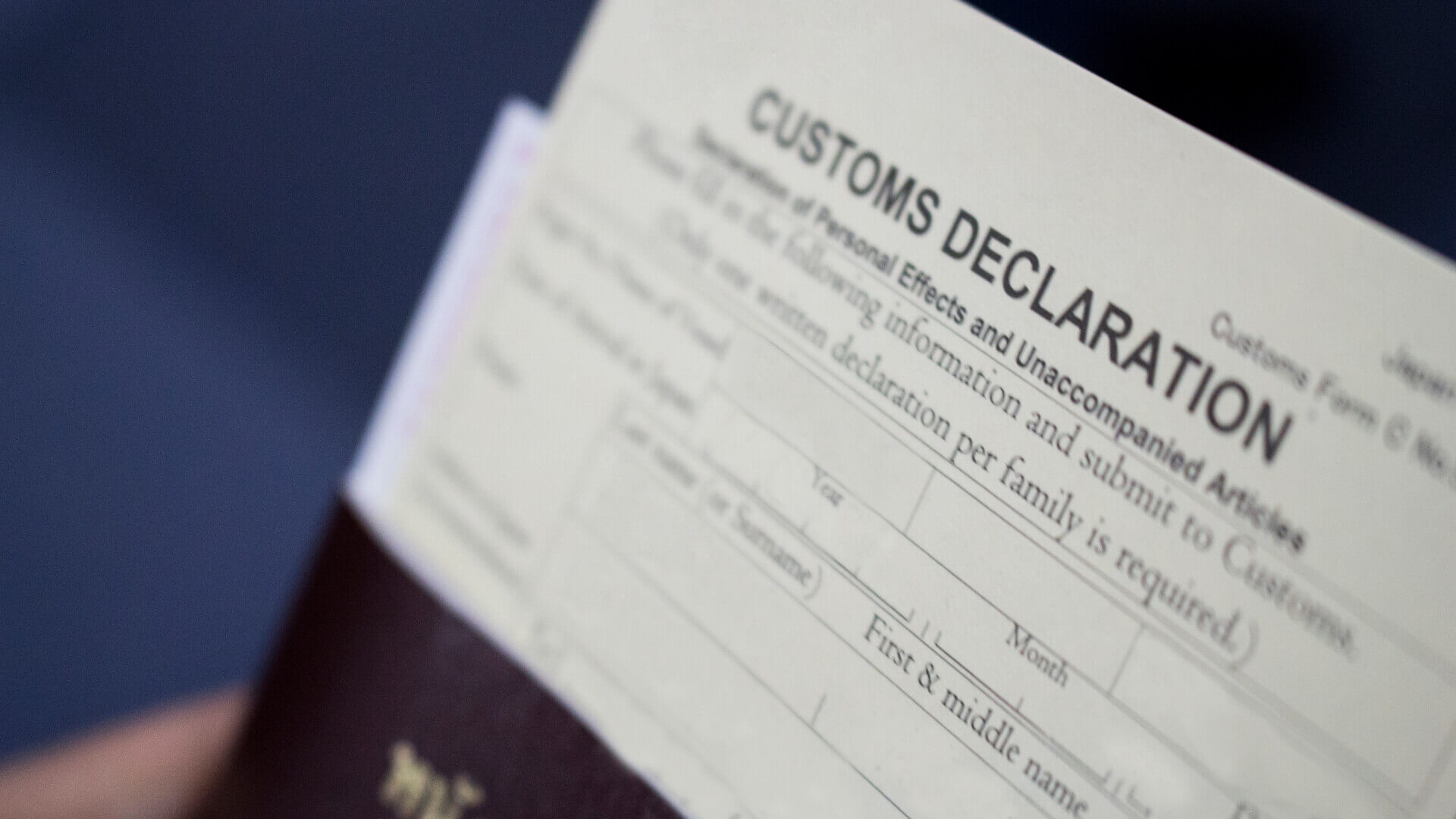
Why the Netherlands is a key entry point for EU imports
The Netherlands is one of Europe’s main gateways for international cargo. For many importers, it is a practical entry point for goods moving onward into the wider EU market.
That makes the Netherlands attractive for companies looking for speed, connectivity and efficient access to Europe. At the same time, it also means customs clearance needs to be organised properly from the start. A weak process at the border can affect the rest of the chain. A strong one helps goods move onward with fewer interruptions.
Netherlands import customs clearance procedure
A reliable Netherlands import customs clearance procedure starts well before the goods arrive.
1. Review the product and shipment details
The first step is to understand what is being imported, where it comes from and how it should be classified. Customs classification affects duties, requirements and the way the declaration is handled.
2. Prepare the required documents
Imported goods often require commercial and transport documentation. Depending on the goods, additional documents may also be needed, such as proof of origin, licences or certificates. Official Dutch guidance confirms that importers may need several customs and supporting documents depending on the product and origin.
3. Submit the import declaration
Goods imported from outside the EU must be declared electronically to Dutch Customs. Businesses with limited customs experience often use a logistics service provider or customs agent to handle this process.
4. Assess duties, VAT and other obligations
Once the declaration is submitted, Customs assesses what applies. This may include import duties, VAT and product-specific controls related to safety, health, the economy or the environment.
5. Release the goods into the next stage of the supply chain
Once customs formalities are completed and any required actions are taken, goods can move on for storage, distribution or onward transport within Europe.
What can slow down customs clearance?
Many delays in customs clearance are avoidable. In most cases, the issue is not customs alone. It is a mismatch somewhere between product data, documents and logistics execution.
Incomplete or incorrect documentation
Missing or inconsistent documentation is one of the most common causes of delay. Import documents, origin documents or supporting certificates all need to match the goods and the declaration.
Incorrect customs classification
If a product is classified incorrectly, that can affect duties, declarations and compliance requirements. Fixing that later can create extra work and disruption.
Missing licences or permits
Some products need licences, exemptions or certificates before they can be imported. Dutch government guidance notes that this depends on the type of goods and the relevant authority involved.
Poor coordination between teams
Customs clearance often sits between procurement, freight forwarding, warehousing, finance and logistics. If those handovers are not clear, the process becomes slower and less predictable.
How long does customs clearance take in the Netherlands?
There is no single answer to how long does customs clearance take Netherlands. Lead time depends on the completeness of the declaration, the type of goods, whether supporting documents are available, and whether Customs selects the shipment for further checks. AEO status can help reduce customs selections, and De Rijke states that its AEO certification supports faster and smoother customs procedures through controlled internal processes.
In practice, customs clearance can move quickly when the documentation is complete and the process is properly organised. But where data is missing, declarations are incomplete or product requirements are unclear, delays become more likely. That is why businesses benefit from preparation long before the cargo reaches the border.
Customs clearance Netherlands international parcels and cargo flows
The phrase customs clearance Netherlands international parcels is often used broadly, but the underlying issue is the same across many shipment types: goods entering the Netherlands from outside the EU need the right customs treatment.
Whether the shipment involves parcels, pallets, containers or other cargo flows, the basics remain consistent:
- the goods need to be declared correctly
- the right customs and transport documents must be available
- product-specific requirements need to be checked
- the release of goods should align with the next logistics step
For businesses importing at scale, customs clearance is therefore best seen as part of the wider supply chain rather than as a stand-alone task.
Why businesses choose De Rijke for customs clearance in the Netherlands
De Rijke’s strength is not only in filing declarations. It is in connecting customs formalities to practical logistics execution. The company states that it has its own customs departments in the Benelux, where import, export, transit, excise goods and origin documentation are handled in-house by a team of declarants. De Rijke also highlights AEO certification and online connections with customs authorities as part of its customs capability. That matters because customs clearance rarely succeeds in isolation. It works best when declarations, documents, storage, transport and onward distribution support one another.
De Rijke supports customers with:
- in-house customs handling in the Benelux
- practical import and customs coordination
- support for international cargo entering the EU via the Netherlands
- customs processes connected to wider logistics services
- an operational approach focused on continuity and control
For companies importing via the Netherlands, that can make the difference between a fragmented process and a streamlined one.
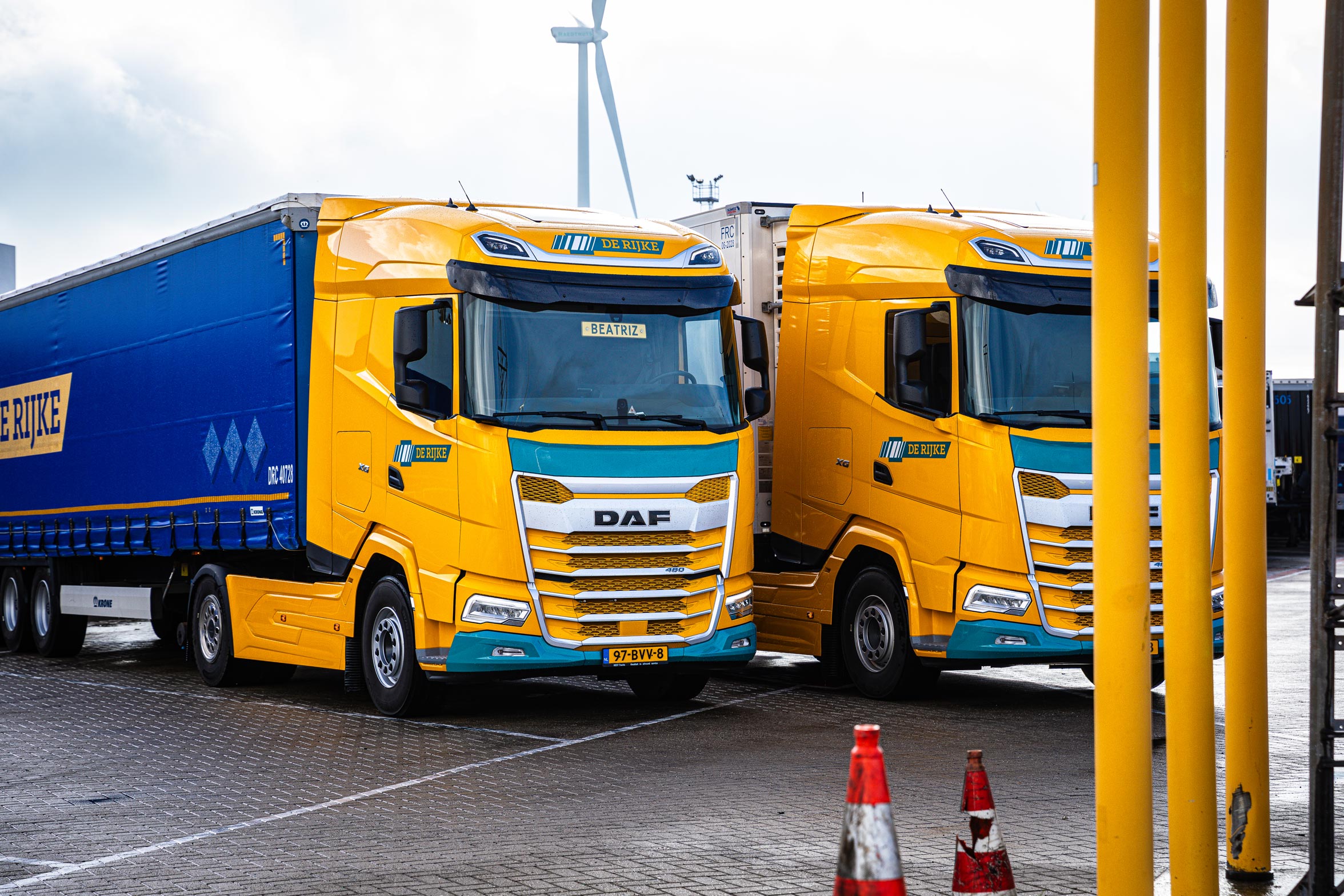
A more reliable import process starts before arrival
The best customs clearance process is proactive. That means checking documentation early, aligning customs data with shipment details and making sure responsibilities are clear before the cargo arrives. Businesses that do this well are in a stronger position to reduce delays, avoid rework and keep goods moving across Europe. For international importers, customs clearance in the Netherlands is not only about compliance. It is also about predictability, control and continuity.
Need support with customs clearance in the Netherlands?
De Rijke helps businesses organise customs clearance in the Netherlands as part of a broader import and supply chain process. With in-house declarants, AEO-certified customs processes and strong customs expertise in the Benelux, we support importers who need a practical and reliable route into the EU market.
Get in touch

Ready to expand into Europe via Rotterdam?
Connect with our local team today. We’ll help you build a warehousing and distribution strategy tailored to your products, sector and growth plans. Contact us via derijke.com/contact or email info@derijke.com. Your European logistics partner starts here.

Frequently asked questions
Customs clearance in the Netherlands is the process of declaring imported goods to Dutch Customs so they can legally enter the EU market. Depending on the goods, this may involve import duties, VAT, supporting documents and product-specific requirements.
You need customs clearance when goods are imported into the Netherlands from outside the European Union. Dutch government guidance states that non-EU goods must be declared to Customs before they can enter the EU through the Netherlands.
The exact documents depend on the goods, but importers often need customs documents, transport documents and commercial documents. Some goods may also require licences, certificates or origin documents.
There is no fixed lead time. Customs clearance can be quick when declarations and documents are complete, but delays may occur if information is missing, if product requirements are unclear or if Customs selects a shipment for further checks. AEO-certified processes can help reduce customs selections.
In many import situations, yes. Official Dutch business guidance states that you always need an EORI number when importing products from outside the EU into the Netherlands.
Yes. De Rijke states that it has in-house customs departments in the Benelux, where import, export, transit, excise goods and origin-related customs formalities are handled by its own declarants team.
The Netherlands is a major gateway for international cargo entering Europe. For many businesses, importing via the Netherlands offers efficient access to the wider EU market, provided customs clearance is properly organised as part of the full supply chain process.
Common causes include incomplete documents, incorrect customs classification, missing licences or certificates, and poor coordination between the parties involved in the shipment. Official Dutch guidance also notes that product-specific requirements may apply depending on the goods being imported.
No. The same customs principles apply more broadly to goods entering the Netherlands from outside the EU, whether the flow involves parcels, pallets, containers or other international cargo. The exact process depends on the goods and shipment type.
