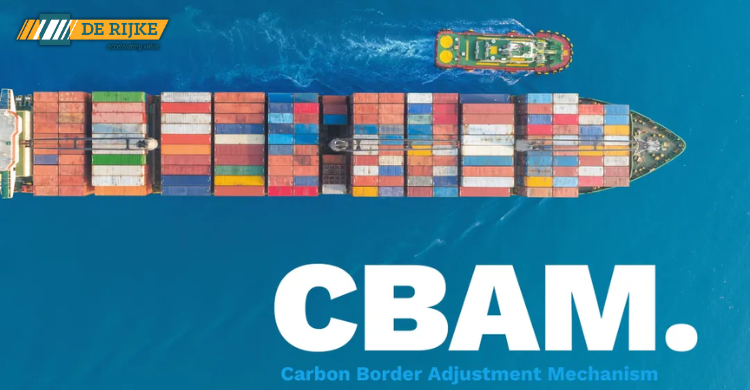
Simplifying Compliance for EU Imports
For Indian exporters and European importers, that changes the conversation. It is no longer enough to organise transport, customs documents and delivery schedules alone. Businesses also need reliable emissions information and a process that supports CBAM compliance without disrupting the supply chain.
De Rijke helps businesses manage goods flows from India to Europe with integrated logistics and customs support. As an officially Authorized CBAM Declarant, De Rijke supports importers with CBAM reporting, compliance processes and preparation.



What is CBAM?
CBAM stands for Carbon Border Adjustment Mechanism.
It is the EU mechanism designed to apply a carbon-related framework to certain imported goods. In practice, CBAM affects imports in six sectors:
- cement
- aluminium
- fertilisers
- iron and steel
- hydrogen
- electricity
For companies shipping goods from India to Europe, the main issue is practical. If the goods are in scope, importers need the right emissions data, the right reporting process and the right customs coordination.
Why CBAM matters on the India–Europe trade lane
On the India–Europe corridor, supply chains are often already complex.
There may be multiple suppliers, long lead times, different transport modes and several parties involved in customs and delivery. CBAM adds another dependency: reliable emissions data from the production side.
That is where many businesses face friction.
An exporter may be ready to ship. The freight booking may be confirmed. Customs documents may be in place. But if the emissions data is incomplete, inconsistent or unavailable, the importer still faces compliance risk.
This is why CBAM should not be treated as a standalone reporting topic. It needs to be built into the wider India-to-Europe supply chain.
What CBAM means for Indian exporters and EU importers
CBAM is legally tied to the EU import side, but it also has clear consequences for exporters in India.
European importers need data to support their CBAM obligations. That means Indian suppliers increasingly need to provide product and emissions information in a format that helps their EU customers stay compliant.
In practical terms, this can affect:
- supplier communication
- data collection
- customs coordination
- shipment readiness
- customer relationships in Europe
If an exporter cannot support the importer with the right data, that can weaken its position in the European market. The issue is therefore commercial as well as operational.
Where businesses usually face difficulty
Most businesses do not struggle with the term CBAM itself. They struggle with execution.
Supplier data
CBAM depends on upstream production information. That means Indian exporters and EU importers need clear, reliable data from the supply side.
Product scope
Not every shipment is covered. Businesses need to assess whether the goods fall within the current CBAM sectors and the relevant customs classification.
Process ownership
CBAM often sits between departments. Procurement, sustainability, customs, finance and logistics may all be involved, while no single team controls the full process.
Trade lane coordination
On long-distance flows such as India to Europe, timing matters. If the compliance process is not aligned with the transport process, delays and uncertainty become more likely.
Why work with a CBAM partner from India to Europe?
On this trade lane, businesses need more than a general explanation of CBAM.
They need a partner that understands how compliance fits into actual goods movement between India and Europe.
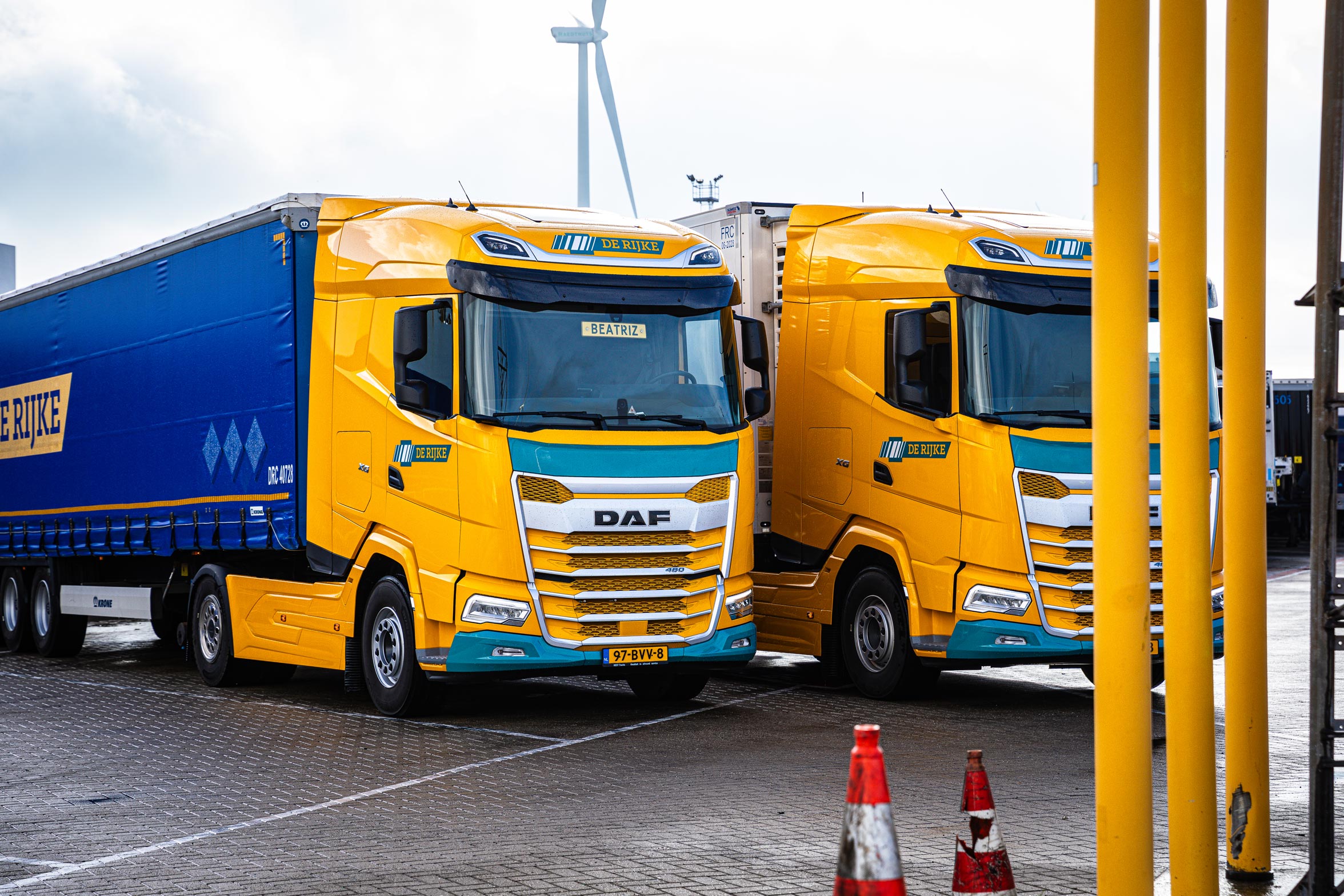
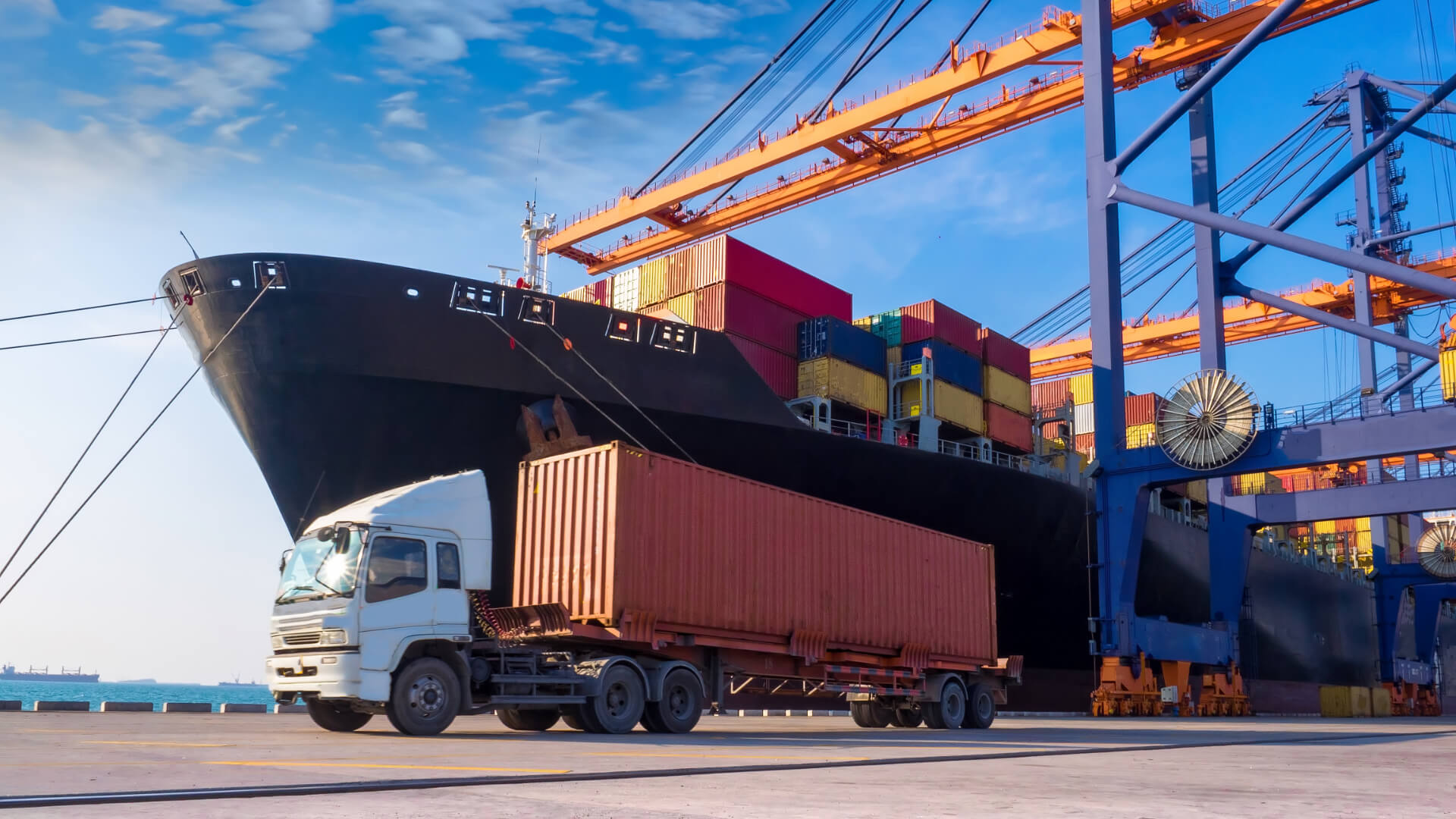
De Rijke already supports exporters in India with international logistics into Europe, including sea, air, road and rail. Combined with customs expertise in the Benelux and CBAM declarant status, that creates a more practical setup for businesses that need both operational control and compliance continuity.
That matters because CBAM is not only about reporting. It sits at the point where supplier data, import compliance, customs formalities and transport execution meet.
How De Rijke supports CBAM-related flows from India to Europe
De Rijke’s strength is in connecting logistics, customs and compliance in one workable process.
For companies shipping from India to Europe, that means support with:
- customs coordination
- cross-border logistics planning
- CBAM-related import process support
- practical alignment between compliance and cargo flow
- a more structured route into the EU market
Because De Rijke already operates dedicated India–Europe logistics services and in-house customs departments in the Benelux, the company is positioned to support businesses that need both operational control and compliance continuity.
A stronger India–Europe supply chain starts with preparation
CBAM is now part of the import reality for affected goods entering the EU.
That means preparation matters. Businesses moving goods from India to Europe should understand whether their products are in scope, what emissions information is needed and how CBAM fits into the wider customs and logistics process.
The companies that organise this early are in a stronger position to reduce disruption and protect continuity in the European market.
Need a CBAM partner for India to Europe?
If your business is moving goods from India to Europe and CBAM is becoming relevant to your supply chain, De Rijke can help.
With India–Europe logistics services, in-house customs expertise in the Benelux and official status as an Authorized CBAM Declarant, De Rijke supports businesses that need a practical and reliable approach to CBAM-related imports.
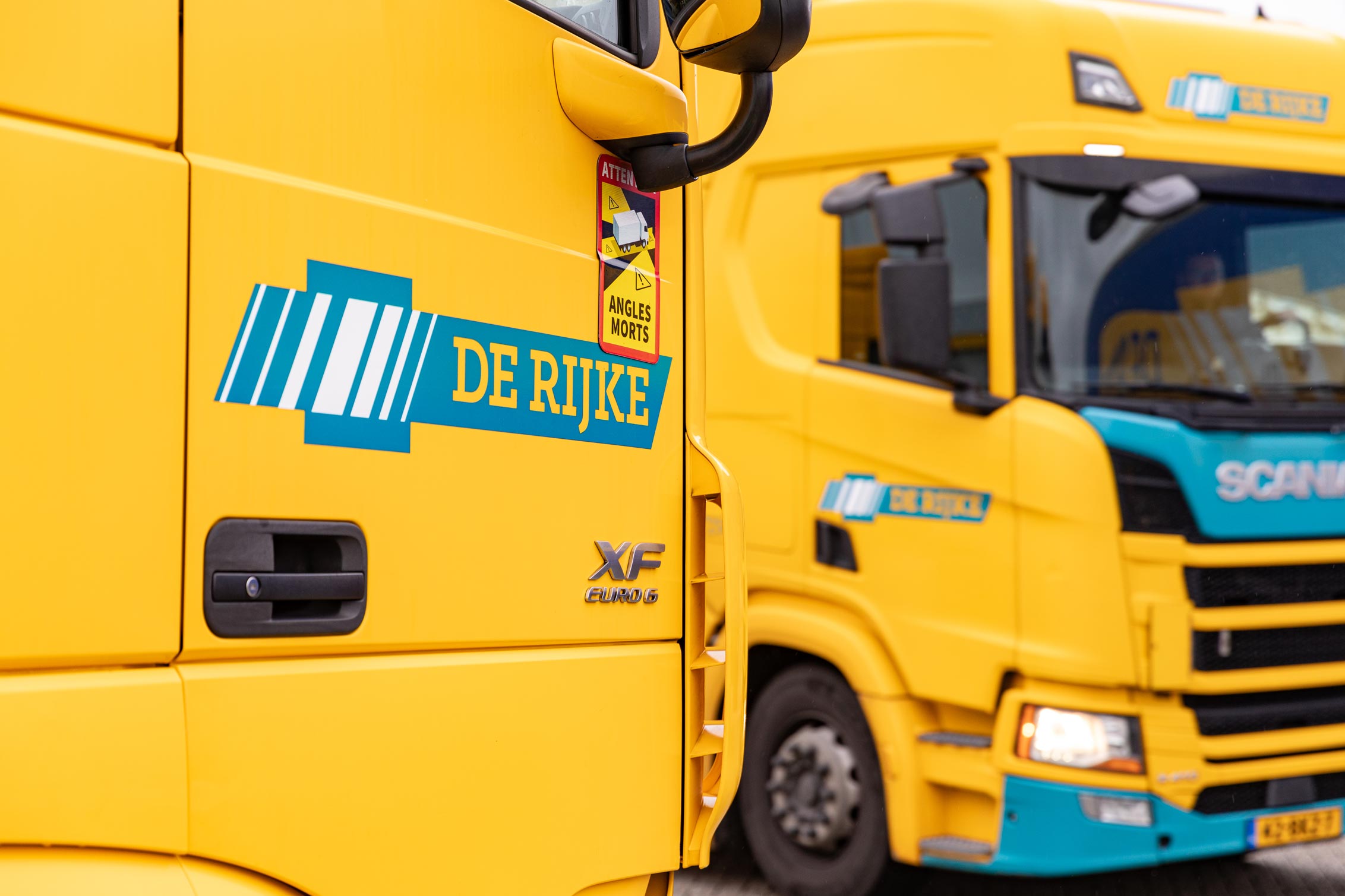

Ready to expand into Europe via Rotterdam?
Connect with our local team today. We’ll help you build a warehousing and distribution strategy tailored to your products, sector and growth plans.
Contact us via derijke.com/contact or email info@derijke.com. Your European logistics partner starts here.

Frequently asked questions about CBAM
CBAM stands for Carbon Border Adjustment Mechanism. It is the EU framework that applies carbon-related import requirements to certain goods entering the European Union.
The full form of CBAM is Carbon Border Adjustment Mechanism.
CBAM currently applies to cement, aluminium, fertilisers, iron and steel, hydrogen and electricity.
Yes, if the goods being imported into the EU fall within the CBAM sectors. While the compliance obligation sits on the EU import side, Indian exporters are increasingly affected because European customers need reliable emissions data and product information.
CBAM matters because it can affect how easily exporters can serve customers in Europe. If importers cannot obtain the right emissions data, that may create compliance issues and put commercial pressure on the supplier relationship.
A CBAM partner helps businesses organise the practical side of compliance. That can include aligning customs processes, supporting import reporting and making sure compliance fits the wider supply chain rather than disrupting it.
Yes. De Rijke supports importers with CBAM reporting, compliance processes and preparation as an Authorized CBAM Declarant.
Yes. De Rijke has dedicated India-to-Europe logistics services and supports exporters in India shipping to Europe.
Because CBAM does not sit in isolation. It affects import compliance, customs handling and shipment readiness. A combined approach helps businesses reduce handovers, improve visibility and keep goods moving more smoothly.
